
Hydration is not only about how many glasses of water you drink.
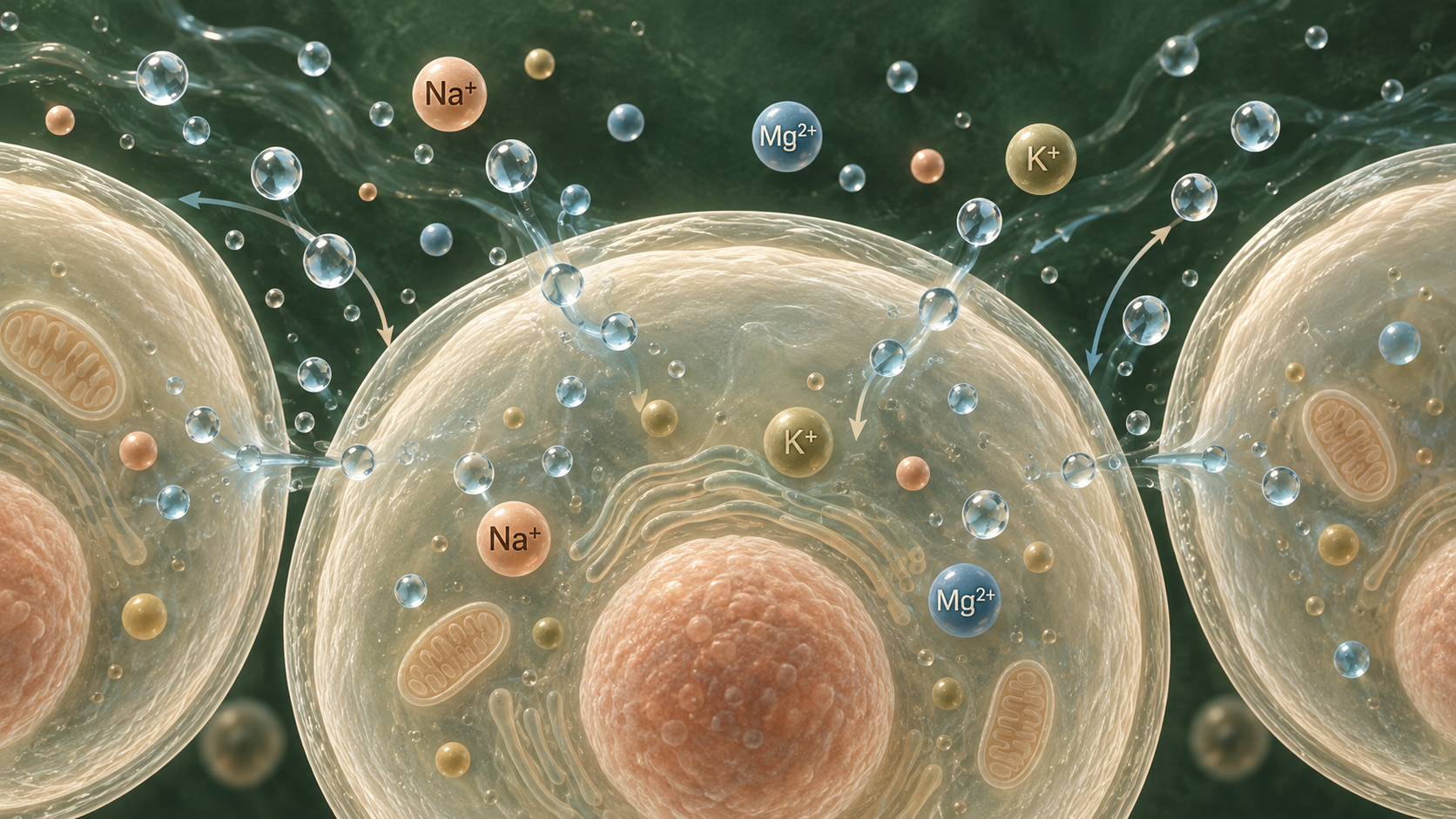
Water in the body is found both inside and outside our cells. The body constantly regulates that balance with electrolytes such as sodium and potassium. In some situations, it is therefore important to replace not only the water we lose, but also what we lose with it.
01
What does cellular hydration actually mean?
When we say we need to be better hydrated, the most common advice is simple: drink more water. That is a good start. Water is essential for the normal function of almost every system in the body. It supports temperature regulation, circulation, digestion, nutrient transport and the normal function of the brain and muscles.
Hydration, however, is more than the number of glasses you drink.
A large part of the body is water, found both within our cells and in the space around them. To maintain the right fluid distribution, the body carefully regulates electrolyte concentrations.
Sodium plays an especially important role in regulating fluid outside cells, while potassium is the primary electrolyte inside cells. Minerals such as chloride and magnesium also participate in many physiological processes.
Good hydration is not only water. It is the balance of water and electrolytes that the body continually maintains.
02
When is water sometimes not enough?
When we sweat, we lose more than water. We also lose electrolytes, especially sodium. This becomes more relevant during training, demanding physical activity, hot days, heavy sweating, travel or simply a very active day.
After a lot of activity or time in the heat, it may not be enough to think only, “I need to drink more water.” Look at the full picture and consider what you have lost throughout the day.
This does not mean plain water is inadequate or that everyone needs additional electrolytes every day. For most healthy people on a normal day, with a varied diet and no major fluid loss, water is an excellent foundation for hydration.
Needs change with activity, temperature, sweating and the way we live.
03
Why is good hydration so important?
When we lose more fluid than we take in, dehydration can develop. That means more than simply feeling thirsty.
Adequate fluid is necessary for normal brain function and concentration, temperature regulation, muscle function, circulation, digestion and nutrient transport. For some people, even mild fluid loss may be accompanied by lower energy, a headache or reduced concentration.
We do not see hydration as another small fitness detail. It is one of the basic conditions that allows the whole system to function normally.
04
Our approach to hydration
As with nutrition, we do not want to create another complicated routine that you follow for a few days and then forget. The goal is to make it simple and repeatable.
For us, hydration is part of a daily ritual. On days when we are more active, train, travel a lot or spend time in the heat, we also pay special attention to electrolyte intake.
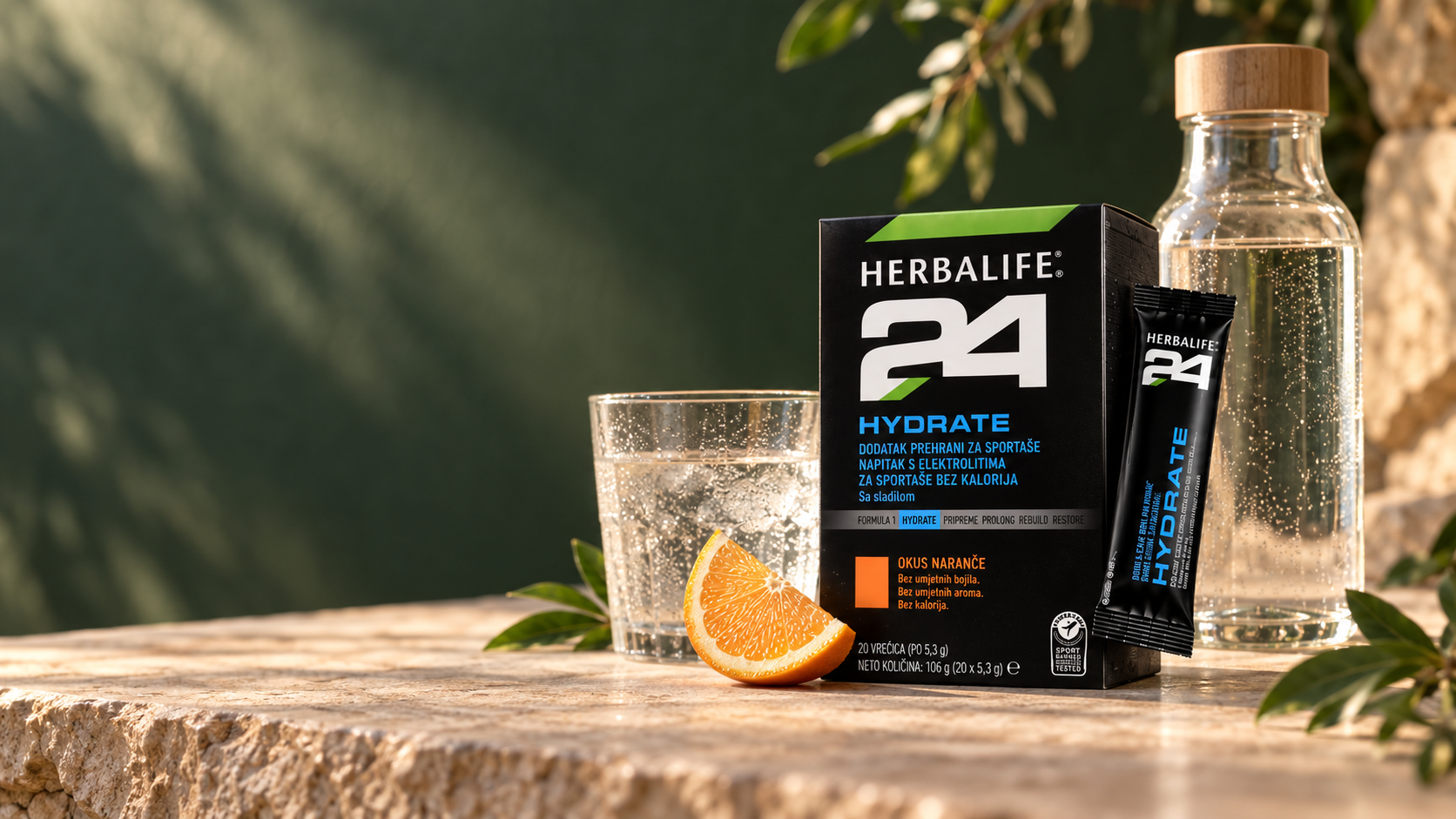
That is why we built hydration into our nutrition approach — for people who want a simple daily routine for fluids and electrolytes, especially during training, warmer days, travel and periods of greater activity.
Would you like to start with us?
Turn hydration into a routine you will actually follow.
If you drink too little during the day, train or sweat a lot, or simply want a clearer daily hydration routine, explore our nutrition programs and talk to us about what fits you best.
If you are not sure where to begin, message us and write only: HYDRATION. We will ask a few simple questions about your routine and help you decide what makes the most sense.
Matea & Vanja